
Types of kitchen trash cans, explained
Step, touchless, pull-out, under-sink, and dual cans.
Disclosure: We may earn a commission if you buy through links on this page. It does not change our guidance. Affiliate Disclosure
Five common designs
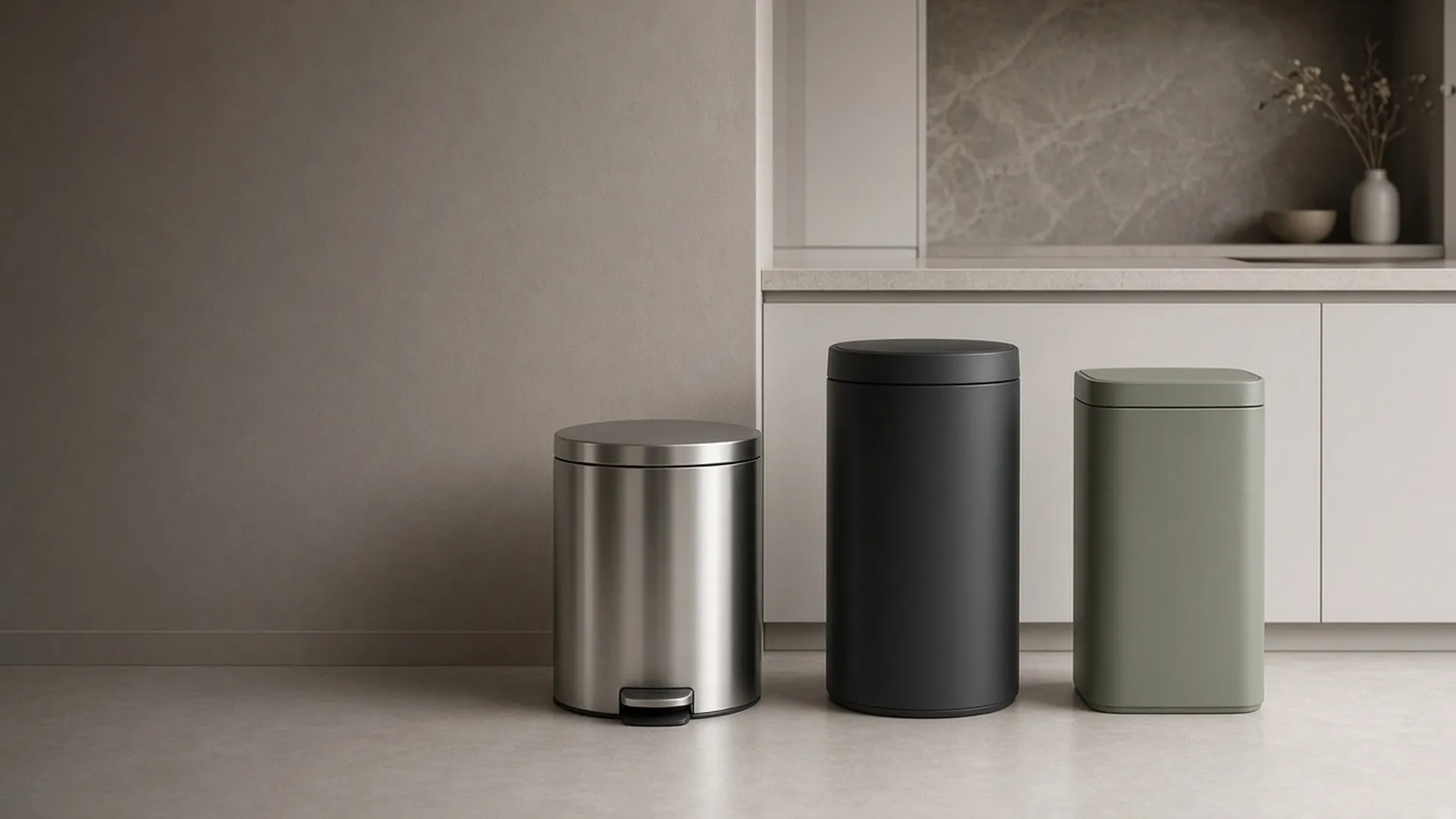
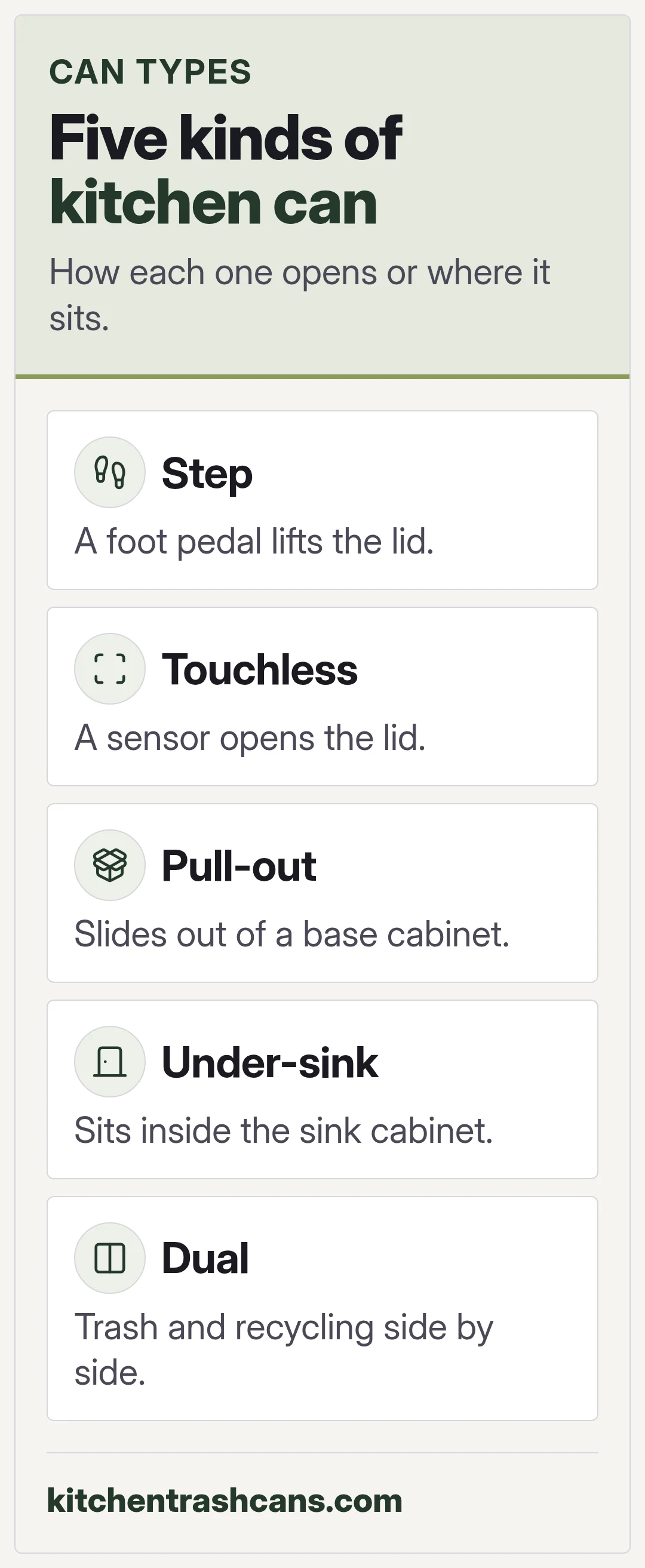
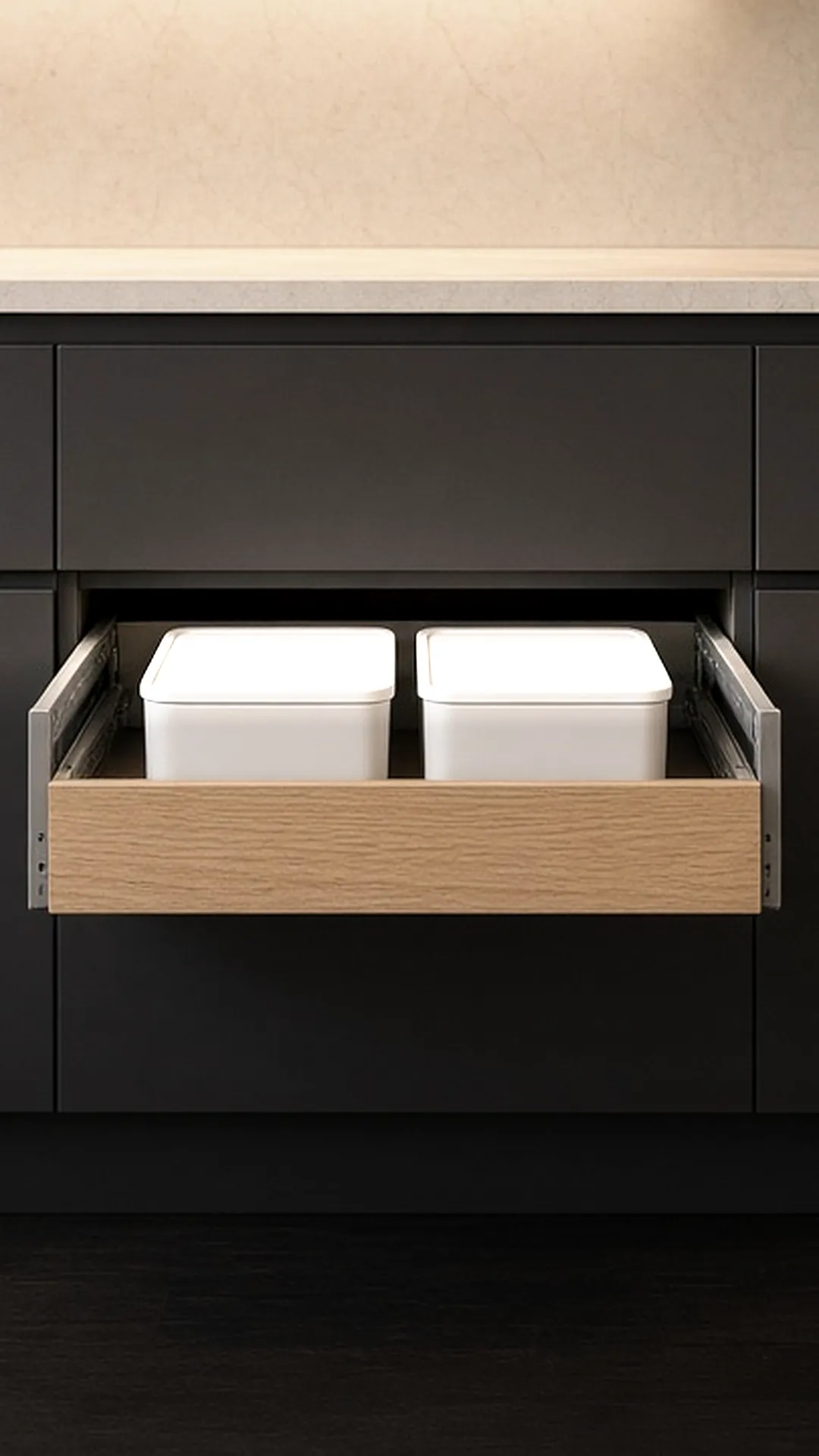
We sort kitchen trash cans by how the lid opens and where the can sits. A step can opens with a foot pedal. A touchless can opens with a sensor. A pull-out can slides out of a cabinet. An under-sink can sits inside the sink cabinet. A dual can holds trash and recycling side by side.
Why the lid matters
EPA says garbage containing food scraps should be placed in tightly covered trash cans, and removed regularly from your home. University of Maryland Extension says to remove trash promptly or secure it by using cans with tight-fitting lids.
Open bins and children
The American Academy of Pediatrics (AAP) says any trash container used for possibly dangerous items, such as spoiled food, discarded razor blades, or batteries, should have a child-resistant cover or be kept out of a child's reach.
A second bin for food scraps
EPA says to collect and store fruit and vegetable scraps for composting in a closed container on your kitchen counter, under your sink, or in your fridge or freezer.
Which type fits a kitchen?
We do not pick a type or a model. Each guide in this section explains one design, what it needs, and what to check before you buy.
FAQ
General information only. Keep a trash can that holds spoiled food, sharp objects, or batteries behind a lid a child cannot open, or out of a child's reach. Knot plastic bags before you throw them away, and keep button and coin batteries out of reach of children. Keep cleaning products in their original packaging, out of sight and reach of children and pets, and never mix cleaning or disinfecting products. Read and follow the label on every cleaner and the maker's manual for your can, including how to change or remove its batteries. A swallowed button or coin battery needs medical help right away; do not delay. If you think a child swallowed something harmful, call Poison Help at 1-800-222-1222; if the child is unconscious, not breathing, or having convulsions or seizures, call 911. If a pet did, call your veterinarian or a pet poison control center right away. In an emergency, call 911.
Next: step cans
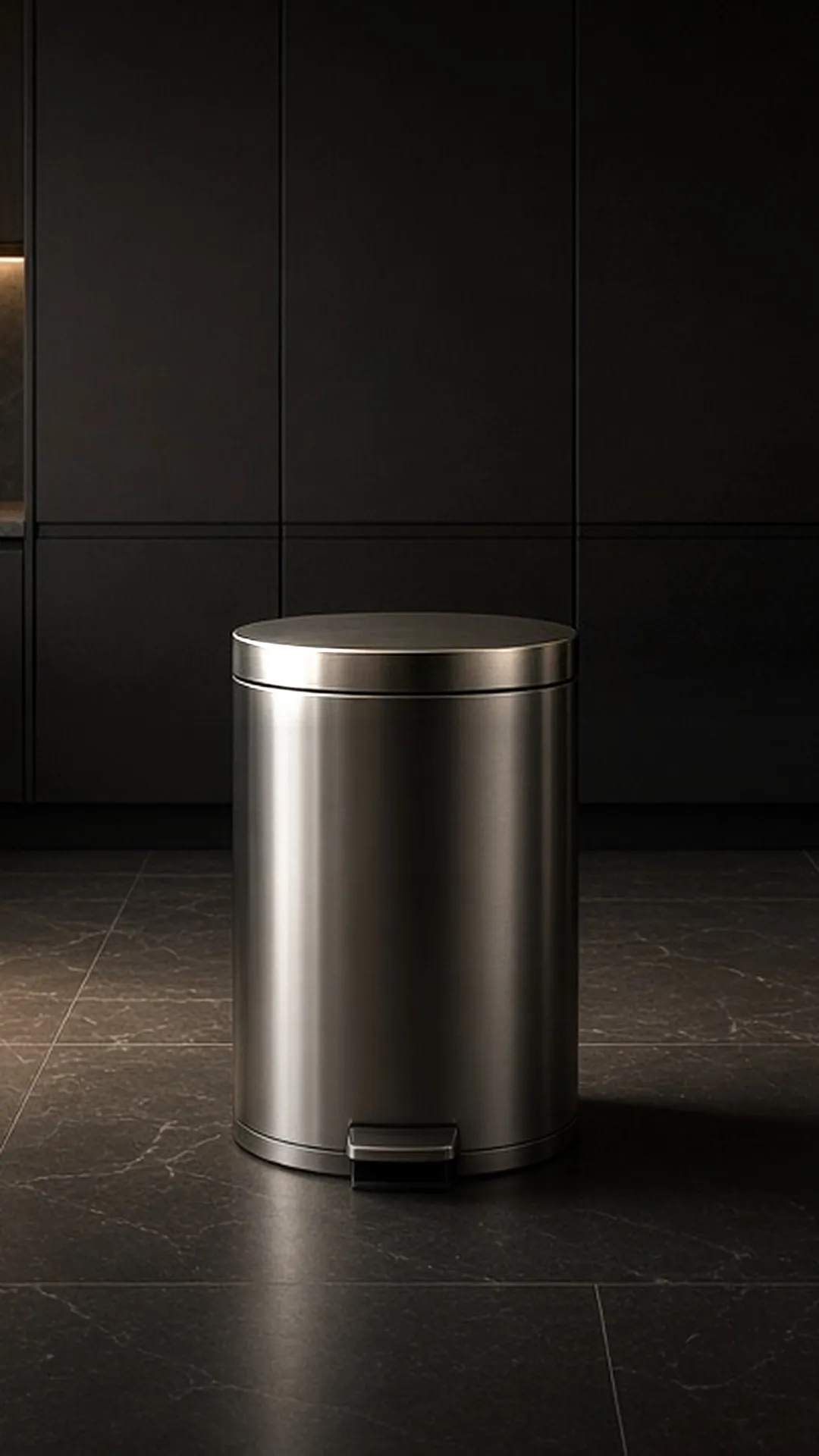
A pedal lifts the lid.
