
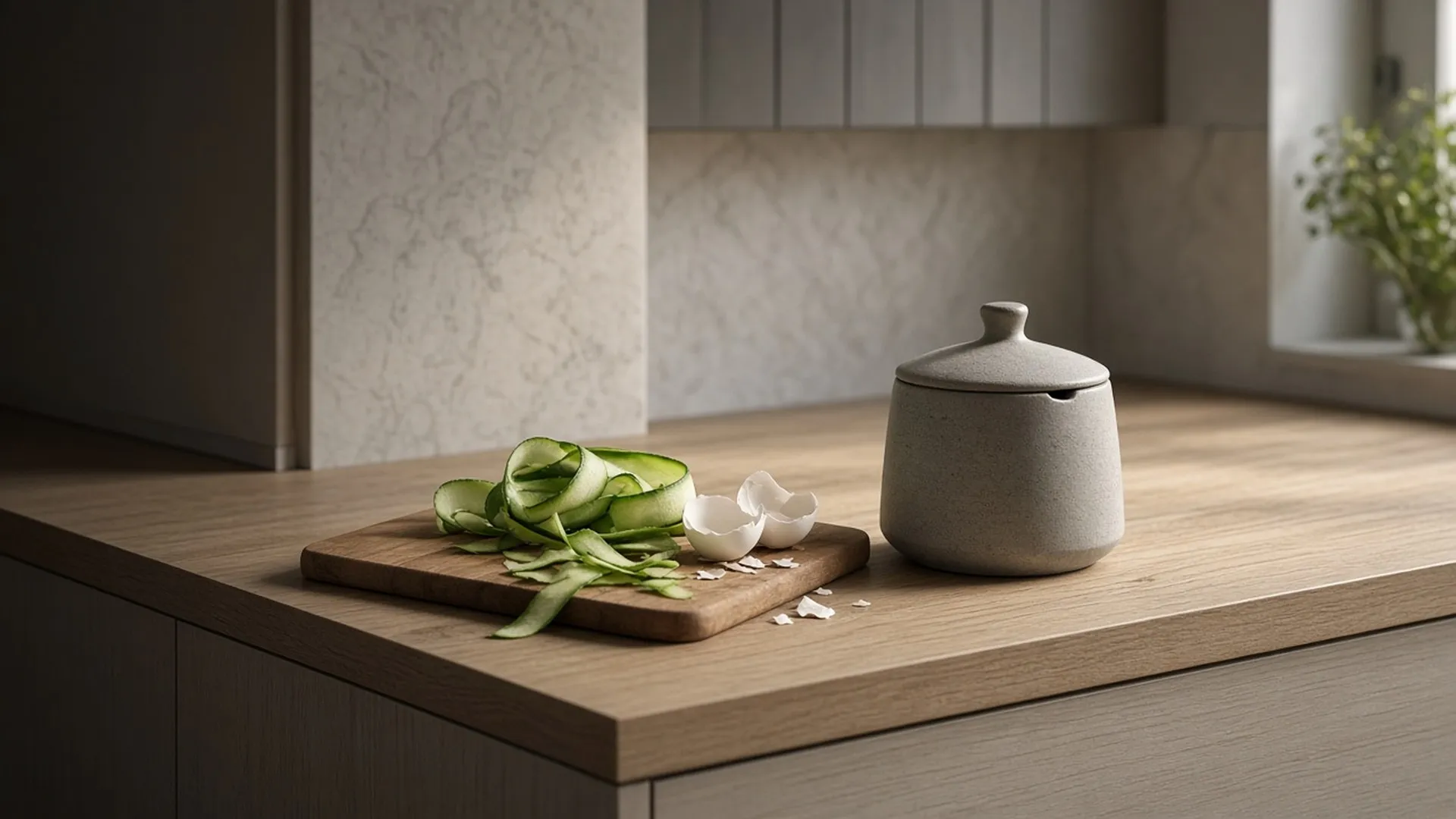
Kitchen composting and compostable bags
Collect scraps in the kitchen, and read compostable labels with care.
Disclosure: We may earn a commission if you buy through links on this page. It does not change our guidance. Affiliate Disclosure
What composting is
EPA says composting is the managed, aerobic biological decomposition of organic materials by microorganisms. It says you can compost at home using food scraps from your kitchen and dry leaves and woody material from your yard.
The kitchen bin
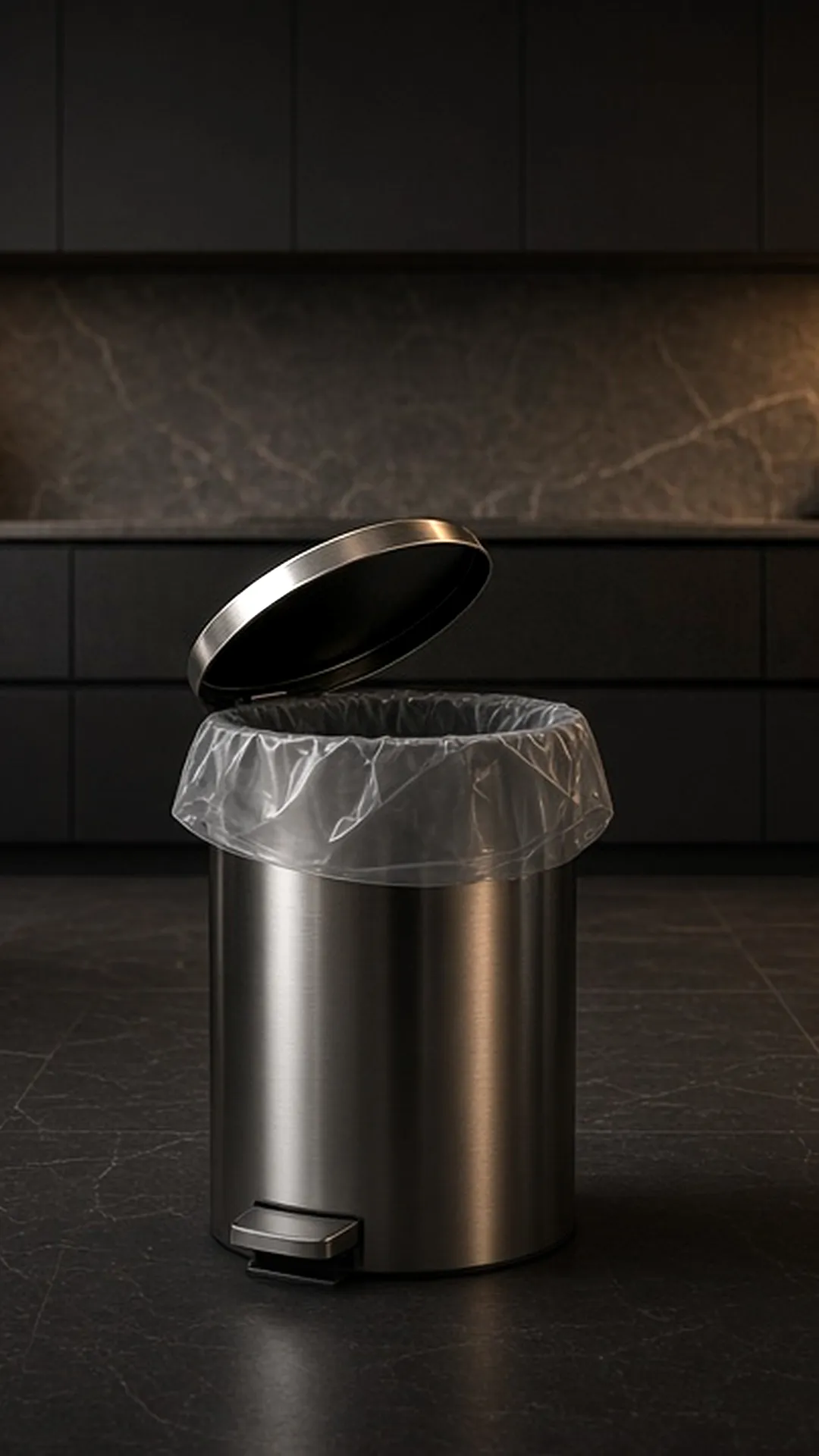
EPA says to collect and store your fruit and vegetable scraps in a closed container on your kitchen counter, under your sink, or in your fridge or freezer. UNH Cooperative Extension's fruit fly fact sheet says to cover containers of kitchen scraps headed for the compost pile and get them outdoors soon.
Greens and browns
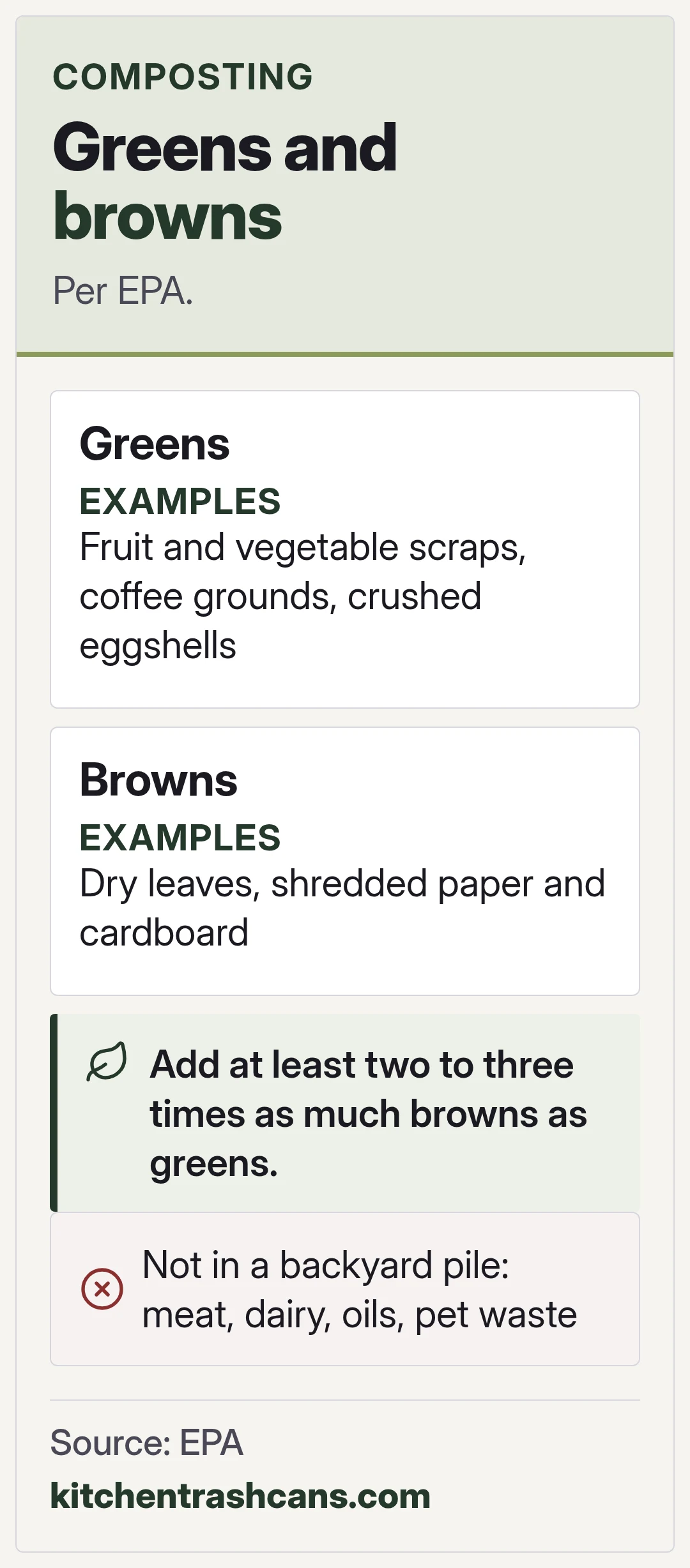
EPA lists fruit and vegetable scraps, coffee grounds and paper filters, paper tea bags, and crushed eggshells as greens. It lists dry leaves, shredded paper and cardboard, and untreated wood chips as browns, and says to add at least two to three times the volume of browns to greens.
What stays out of a backyard pile
EPA lists meat, fish, and bones, dairy, fats, oils, and grease, pet waste, and compostable foodservice ware and compostable bags among things to avoid in a backyard pile. It says backyard piles generally do not reach high enough temperatures to fully break down some of these, and that commercial composting facilities can.
No yard
EPA suggests a local municipal or community composting program, which may collect food scraps or offer a drop-off location. It says residential pre-processing appliances that grind and dehydrate food scraps do not produce compost.
Compostable and biodegradable labels
EPA says plastic labeled compostable is generally meant for an industrial or commercial composting facility, and not to put it in a home pile unless the label says it is okay for home composting. The FTC Green Guides say an unqualified degradable claim is deceptive for items, such as trash bags, that go to landfills, incinerators, or recycling facilities, where complete decomposition within one year will not occur.
FAQ
General information only. Keep a trash can that holds spoiled food, sharp objects, or batteries behind a lid a child cannot open, or out of a child's reach. Knot plastic bags before you throw them away, and keep button and coin batteries out of reach of children. Keep cleaning products in their original packaging, out of sight and reach of children and pets, and never mix cleaning or disinfecting products. Read and follow the label on every cleaner and the maker's manual for your can, including how to change or remove its batteries. A swallowed button or coin battery needs medical help right away; do not delay. If you think a child swallowed something harmful, call Poison Help at 1-800-222-1222; if the child is unconscious, not breathing, or having convulsions or seizures, call 911. If a pet did, call your veterinarian or a pet poison control center right away. In an emergency, call 911.
Next: recycling at home
What goes in the bin.
